
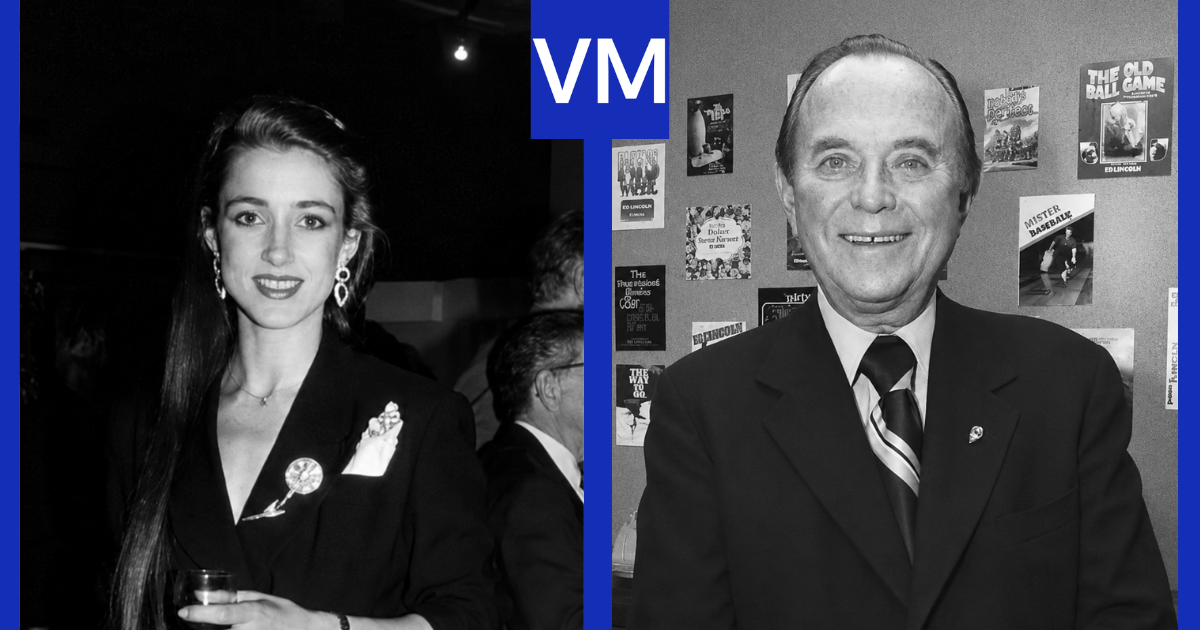
Jane Dobbins Green lived a remarkable life that spanned nearly nine decades, from her birth on 22 November 1911 to her passing on 7 August 2000 at the age of 88. She carved out a distinguished professional career as secretary to John Wayne, one of Hollywood’s most celebrated actors, demonstrating exceptional leadership in a male-dominated industry. In addition, Jane Dobbins Green’s connection to business history came through her marriage to Ray Kroc, the businessman who transformed McDonald’s into a global fast food empire.
Jane Dobbins Green Ray Kroc became her identity during their union from 1963 to 1968. As a matter of fact, their five-year marriage represented just one chapter in her independent life. This article explores her early years in Walla Walla, Washington, her professional achievements, her partnership with Ray Kroc, and her later years marked by grace and privacy.
Early Life and the Foundation of Quiet Strength
Birth and Family Background in Walla Walla
The roots of Jane Dobbins Green trace back to Walla Walla, Washington, where she entered the world on 22 November 1911. Her parents, Warren David Dobbins and Grace Myrtle Duncan Frechette, raised her in a modest household that prioritized privacy and propriety. The family structure provided stability during an era when American society experienced rapid shifts.
Walla Walla itself offered a unique backdrop for childhood. The town had evolved from its frontier origins into an established agricultural community. Jane’s upbringing in this environment instilled practical sensibilities that would serve her throughout life.
Details about her childhood remain sparse, reflecting the family’s preference for discretion. This scarcity of documentation, actually, speaks to the values her parents instilled. The Dobbins family maintained a low profile, avoiding unnecessary attention or public display.
Growing Up During American Transformation
Jane’s formative years unfolded during a period of significant social and economic change in the United States. The early 20th century brought industrialization, urbanization, and shifting gender roles. Women gradually entered the workforce in greater numbers, challenging traditional boundaries.
Growing up during this transformation likely shaped her resilience and discretion. She witnessed how society evolved, how opportunities expanded, and how individuals navigated uncertainty. These observations prepared her for a life that would bridge traditional values and modern independence.
Her normal childhood, typical for early 20th century America, provided experiences common to her generation. She attended school in Washington prior to entering the professional world. The education system of that era emphasized practical skills alongside academic learning.
Early Values That Shaped Her Character
The foundation Jane received emphasized quiet strength rather than outward display. Her parents taught her independence early, a lesson that defined her approach to both career and relationships. She learned to stand on her own while maintaining meaningful connections.
Jane cherished family bonds yet developed a distinct personal identity. This balance between connection and autonomy guided her future decisions. She understood the value of relationships without sacrificing her sense of self.
Her modest roots laid the foundation for a life that valued privacy over publicity. These early lessons in discretion, resilience, and independence became hallmarks of her character. The values absorbed in Walla Walla would later serve her well in Hollywood’s high-profile environment and during her marriage to Ray Kroc.
Professional Life: Leadership in Hollywood
Becoming John Wayne’s Secretary
A solid education and sharp mind positioned Jane Dobbins Green for professional success. Her strong work ethic opened doors in an era when secretarial positions represented respected opportunities for women. She secured a role as secretary to John Wayne, one of Hollywood’s biggest movie stars, during the industry’s golden age spanning the 1940s and 1950s.
Working for such a high-profile figure placed her at the center of American cinema’s most celebrated period. The position demanded more than administrative capability. It required someone trustworthy enough to handle the private affairs of a public icon.
Skills and Qualities in a High-Profile Role
Jane managed correspondence, schedules, and both personal and professional matters for the star. Her role required discretion, organization, and responsibility as she navigated the fast-paced Hollywood environment. She cultivated skills in communication, management, and subtle influence that would later aid her during her marriage to Ray Kroc.
The position demanded trust, discipline, and strong organizational abilities. Jane witnessed the movie industry at its peak, surrounded by actors, directors, and producers. Her calm nature and focus on work set her apart from the typical Hollywood lifestyle. She never tried to seek fame for herself, maintaining professional boundaries despite proximity to celebrity.
Independence Through Career Success
Professional accomplishment brought Jane meaningful personal satisfaction without public notoriety. Her career was never about fame but about independence and growth. She maintained friendships, cultivated personal interests, and focused on self-development.
This experience gave her confidence and poise. It prepared her for the public life she would later experience as jane dobbins green ray kroc. Consequently, her Hollywood years established a pattern of discretion and professionalism that defined her character. The skills honed in this demanding environment became foundational assets for navigating future challenges.
Jane Dobbins Green Ray Kroc: Marriage and Partnership
Meeting Ray Kroc During McDonald’s Growth
By the early 1960s, Ray Kroc had established himself as a driven entrepreneur amid McDonald’s rapid expansion. Jane met Ray Kroc while playing the organ at the Criterion Restaurant in St. Paul, Minnesota in 1957. He was 26 years her senior, already divorced from his first wife Ethel Fleming and managing a growing fast-food franchise empire. Their connection developed through mutual acquaintances in California’s social scene, where Jane’s charm and graceful presence appealed to Kroc.
Life as Ray Kroc’s Second Wife (1963-1968)
Jane and Ray married in 1963, beginning a five-year union that positioned her as Ray Kroc’s second wife. She accompanied him to corporate functions, charity galas, and social events linked to McDonald’s expansion. Her calm personality contrasted with Ray’s energetic, business-driven lifestyle. The couple did not have children together.
Supporting a Business Empire Without Seeking Fame
Jane demonstrated poise, intelligence, and a supportive nature during this period. She managed the pressures of life with a famous businessman while maintaining her preference for privacy. Unlike spouses who seek recognition, Jane took a background role, focusing on supporting her husband rather than seeking attention herself. Her steady presence provided stability during McDonald’s transformation into an American cultural symbol.
The Divorce and Moving Forward with Grace
The marriage ended in divorce in 1968. Ray’s growing affection for Joan, who became his third wife, created emotional distance. Business pressures and contrasting personalities also contributed to their separation. Following the divorce, Jane chose privacy over publicity. She never made public statements about the relationship, handling the situation with dignity and composure. Her ability to move forward reflected inner strength and emotional maturity, qualities that defined her approach to life’s challenges.
Later Years: Leading Her Own Life
Marriage to Paul D. Whitney
After splitting up with Ray Kroc, Jane withdrew from the public eye and focused on rebuilding her life on her own terms. In 1984, she married Paul D. Whitney, beginning a new chapter centered on companionship and stability. Unlike her years with Ray, this union provided the peace she sought. Paul lived a quiet existence, matching Jane’s preference for privacy over publicity. Together, they established a calm life in Los Angeles, far removed from the pressures that accompanied fame. Their marriage lasted till she died, marked by mutual respect and tranquility.
Maintaining Privacy in a Public World
Jane never capitalized on her connection to Ray Kroc or sought media attention following the divorce. She avoided interviews, declined opportunities to share her story, and simply moved forward. While Ray’s third wife, Joan Kroc, became known for philanthropic work and public presence, Jane chose a different path. She valued dignity and personal fulfillment over recognition. Her ability to maintain this stance demonstrated remarkable strength in an era when celebrity connections often became commodities.
Final Years and Passing in 2000
Jane Dobbins Green died on August 7, 2000, in Los Angeles at the age of 88. Natural causes claimed her after a long life spanning nearly nine decades of American history. She was laid to rest at Westwood Memorial Park in Los Angeles, a cemetery known as the final resting place of many Hollywood figures. Her burial there connected her early professional years with her enduring preference for grace over spectacle.
Also Read: Kathryn Diebel
Conclusion
Jane Dobbins Green’s life demonstrated that strength doesn’t require publicity. She built a successful career in Hollywood’s golden age, navigated marriage to one of America’s most famous businessmen, and ultimately chose privacy over fame. Her quiet independence and dignified approach to both triumph and challenge defined her character. While others might have capitalized on their connections, Jane simply lived authentically, proving that personal integrity matters more than public recognition.
FAQs
Q1. Who was Jane Dobbins Green?
Jane Dobbins Green was a professional secretary who worked for Hollywood actor John Wayne during the 1940s and 1950s. She later became known as the second wife of Ray Kroc, the businessman who transformed McDonald’s into a global empire. She lived from 1911 to 2000 and maintained a private life despite her connections to famous figures.
Q2. How did Jane Dobbins Green meet Ray Kroc?
Jane met Ray Kroc in 1957 while she was playing the organ at the Criterion Restaurant in St. Paul, Minnesota. Their connection developed through mutual acquaintances in California’s social scene, where her charm and graceful presence attracted Kroc’s attention.
Q3. How long was Jane Dobbins Green married to Ray Kroc?
Jane was married to Ray Kroc from 1963 to 1968, a union that lasted five years. During this time, she served as his second wife and supported him through McDonald’s rapid expansion, though the couple did not have children together.
Q4. What did Jane Dobbins Green do after divorcing Ray Kroc?
After her divorce from Ray Kroc in 1968, Jane chose to maintain her privacy and avoided public attention. She later married Paul D. Whitney in 1984 and lived a quiet life in Los Angeles until her death in 2000, never capitalizing on her connection to Kroc or seeking media attention.
Q5. Where is Jane Dobbins Green buried?
Jane Dobbins Green was laid to rest at Westwood Memorial Park in Los Angeles after her death on August 7, 2000, at the age of 88. This cemetery is known as the final resting place of many Hollywood figures, connecting her early professional years in the entertainment industry with her final resting place.

