
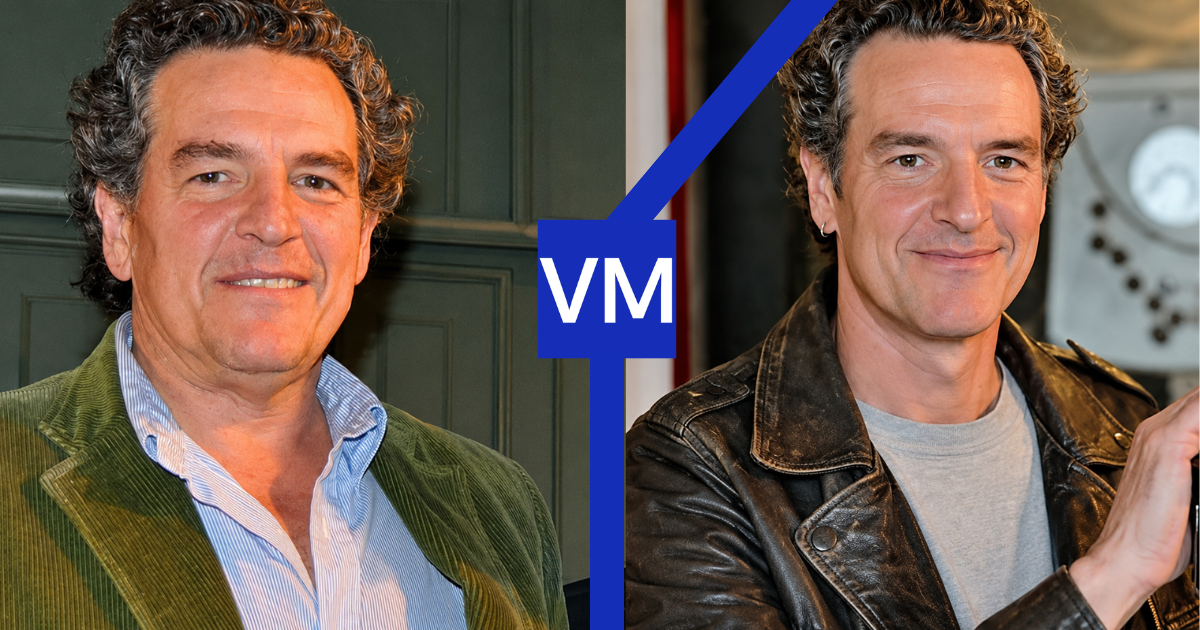
Carlos Scola Pliego is a Spanish filmmaker who became widely recognized as the only man to marry legendary British-Nigerian singer Sade Adu. The couple tied the knot on October 11, 1989, in a picturesque Spanish castle, capturing international attention as Sade was already an established musical icon. Their marriage, while filled with artistic connection, ultimately ended in divorce in 1995. Consequently, Carlos Scola Pliego has maintained a notably private life, with limited information available about his age, net worth, or comprehensive Wikipedia presence. This article explores his background, film career, his relationship with Sade Adu, and why he remains a figure of ongoing public curiosity.
Who Is Carlos Scola Pliego
Spanish Roots and Early Background
Behind every public figure connected to celebrity culture lies a story often untold. Carlos Scola Pliego was born in Spain, a country with rich cinematic and artistic heritage. His exact birth date remains undocumented in verified public records. Inquiries about carlos scola pliego age consistently reveal one pattern: no official database confirms his birth year. Some speculation suggests he may have been born in the 1950s or 1960s, though no evidence supports this claim.
Details about his childhood, family background, and education are equally scarce. He follows the Catholic faith, common among Spanish families, yet personal history beyond this remains private. By the late 1970s, he had already entered the film industry, indicating he was likely an adult by that time. This secrecy surrounding personal details reflects the life he prefers: reserved, private, and detached from celebrity culture.
From Behind the Scenes to Public Curiosity
Carlos Scola Pliego built his professional identity through technical film work rather than public recognition. He started as a script supervisor on Spanish films, including La boda del señor cura in 1979 and Opera Prima released in 1980. This role demands precision, ensuring every scene aligns with the story correctly. Script supervisors manage details most audiences never notice, yet these details determine whether a film feels cohesive or disjointed.
During the early 1980s, his career progressed steadily within European cinema circles. He worked behind the camera rather than in front of it. His career peaked around the time of his marriage to Sade Adu. Public interest in carlos scola pliego and sade began only after their relationship, not because of his film work. Most people became curious about him solely because he married one of the world’s most beloved singers.
The Man Beyond the Headlines
What distinguishes Carlos Scola Pliego from others connected to global celebrities is his deliberate choice to remain invisible. He never spoke to media outlets, avoided interviews, and rejected opportunities that could have brought him into the spotlight. Many people in his position might have used such attention to build personal brands or entertainment careers. In reality, he did the opposite.
This preference for peace over fame makes him particularly intriguing. He never capitalized on his connection to Sade for career advancement. His professional background focused on technical and creative film work rather than celebrity status. That commitment to privacy continues shaping how people perceive him even now.
Carlos Scola Pliego’s Film Career and Creative Work
Early Steps in European Cinema
Carlos Scola Pliego moved beyond script supervision work during the early 1980s. Between 1981 and 1985, he served as assistant director on nine film and television projects. These roles required managing production schedules, coordinating crew members, and supporting directors with technical execution. He worked on Eleni, an early film featuring John Malkovich, and the 1985 miniseries Christopher Columbus starring Gabriel Byrne and Virna Lisi.
Notable Film Credits and Projects
His portfolio included significant Hollywood productions filmed in Spain. In 1983, he worked as second assistant director on Never Say Never Again, the James Bond film starring Sean Connery and Kim Basinger. That same year, he contributed to Curse of the Pink Panther in the same capacity. His work on both films went uncredited. These international projects demonstrated his technical competence within large-scale production environments.
Documentary Filmmaking and Storytelling
Carlos Scola Pliego shifted toward personal creative projects by the late 1980s. In 1988, he wrote, directed, and produced Ngira: Gorilas en la montaña, a documentary short filmed in the Democratic Republic of Congo. The project explored wildlife conservation themes and African landscapes. He followed this with Donde termina el corazón, a full-length documentary touching on various aspects of the African continent. These works reflected his interest in nature, cultural narratives, and authentic human experiences rather than commercial filmmaking.
Transition From Active Filmmaker to Private Life
His last film credit on IMDb appears as an additional crew member on the 2007 sports drama Goal II: Living the Dream. Subsequently, he withdrew from the industry entirely. No verified projects, interviews, or public appearances have surfaced since then. This deliberate exit aligns with the privacy he maintained throughout his career, choosing quiet professional work over public recognition.
Carlos Scola Pliego and Sade Adu: A Love Story
How They Met in the Late 1980s
Their paths crossed during a period of professional collaboration and personal transformation. Carlos Scola Pliego met Sade Adu in Spain while she filmed music videos for her album Promise, released in 1985. He worked behind the scenes as part of the film crew. Their first encounter happened during long days of filming, where both remained focused on their work. Over time, they started noticing each other, sharing a love for art, music, and calm environments.
Sade later went through a difficult period following a grueling tour promoting her second studio album and the untimely death of her father, Bisi Adu. The unrelenting media attention pushed her to relocate to Spain. She reconnected with the assistant director during this time. As they spent more time together, their bond grew stronger. Sade later said she fell ‘madly in love’ with Carlos Scola Pliego. By 1987, she reportedly introduced her director boyfriend as her husband while recording in France.
The 1989 Wedding in Spain
The couple married in a Spanish castle on October 11, 1989. The ceremony was private and intimate, reflecting their mutual preference for a life away from public scrutiny. Family and close friends joined them, but the event remained calm and filled with quiet joy. After their wedding, Carlos Scola Pliego and Sade moved to Madrid, where they lived together.
Life as Sade’s Husband
The filmmaker was with her in the studio during the production of the album Stronger Than Pride, which spawned hits such as ‘Nothing Can Come Between Us’ and ‘Love Is Stronger Than Pride’. Carlos stayed close to Sade while she worked on music, helping create a safe space around her. Their life looked simple from the outside but meant a lot to both of them.
The 1995 Divorce and Its Aftermath
According to news reports, sade adu carlos scola pliego had a rocky relationship. The couple separated within about a year of their wedding. Sade moved back to London. She said in a rare interview that she did not get over their love quickly: ‘It was a very sad situation. I had to leave… very quickly… with a very small bag. It took five years for it not to be something that affected the way I felt’. Their divorce was finalized in 1995. Public fascination with carlos scola pliego and sade remains tied to the emotional mystery in Sade’s music, as many believe her experiences, including heartbreak, shaped her songs.
Carlos Scola Pliego Today: Net Worth, Privacy, and Public Interest
Estimated Net Worth and Financial Standing
Questions about carlos scola pliego net worth frequently surface online, yet no verified public records detail his financial standing. Various websites speculate figures as high as USD 70 million, while others suggest lower ranges around USD 15 million. In reality, these numbers lack confirmation through financial disclosures or official statements. His career as an assistant director and filmmaker would have provided stable, respectable income rather than celebrity-level wealth. Unlike many individuals connected to famous personalities, he never leveraged his association with Sade for financial or public gain.
Why He Remains a Private Figure
Carlos Scola Pliego maintains an intentional silence that contrasts sharply with modern celebrity culture. As of 2026, he has no social media accounts, grants no interviews, and provides no updates about his daily life. This extreme commitment to privacy has persisted throughout his entire life. His lifestyle, characterized by modesty, suggests a focus on personal fulfillment rather than financial display. Consequently, he embodies a rare personality type: someone who values peace and personal boundaries over fame.
Ongoing Search Interest and Cultural Relevance
Public curiosity about carlos scola pliego and sade continues primarily due to her status as a globally admired musical icon. His rarity in public appearances and limited available information have only deepened this intrigue. The story resonates because it represents a refreshing contrast to fame-driven narratives, highlighting a life defined by creativity, authenticity, and intentional privacy. His legacy extends beyond his marriage, encompassing dedication to filmmaking roles that remain essential yet often unrecognized. By the same token, his connection to a meaningful chapter in Sade’s life subtly influenced the emotional depth of her music.
Also Read: Ibrahim Chappelle
Conclusion
Carlos Scola Pliego represents something rare in modern times: someone connected to global fame who deliberately chose obscurity. His film career, though respectable, never defined him as much as his choice to live privately. His brief marriage to Sade Adu brought worldwide attention, yet he never capitalized on it. Obviously, this commitment to personal boundaries makes him fascinating. He proves that not everyone seeks the spotlight, even when it finds them.
FAQs
Q1. Who is Carlos Scola Pliego?
Carlos Scola Pliego is a Spanish filmmaker who worked as a script supervisor, assistant director, and documentary filmmaker in European cinema during the 1980s and 1990s. He gained public recognition primarily through his marriage to legendary singer Sade Adu, though he has maintained an extremely private life throughout his career.
Q2. When did Carlos Scola Pliego and Sade Adu get married?
Carlos Scola Pliego and Sade Adu married on October 11, 1989, in a private ceremony held at a Spanish castle. They met in the late 1980s while he was working as part of the film crew during her music video production in Spain.
Q3. How long did Carlos Scola Pliego’s marriage to Sade last?
The marriage between Carlos Scola Pliego and Sade Adu was relatively short-lived. The couple separated within about a year of their wedding, though their divorce was not finalized until 1995. Sade later described the separation as a very sad situation that took her five years to emotionally recover from.
Q4. What films did Carlos Scola Pliego work on?
Carlos Scola Pliego worked on several notable productions including “Never Say Never Again” (1983) and “Curse of the Pink Panther” (1983) as second assistant director. He also directed documentary films such as “Ngira: Gorilas en la montaña” (1988) and “Donde termina el corazón,” both focusing on African themes and wildlife conservation.
Q5. What is Carlos Scola Pliego doing now?
Carlos Scola Pliego has maintained complete privacy since his last film credit in 2007. He has no social media presence, grants no interviews, and provides no public updates about his life. He continues to live away from the spotlight, embodying his lifelong preference for personal privacy over public recognition.

