
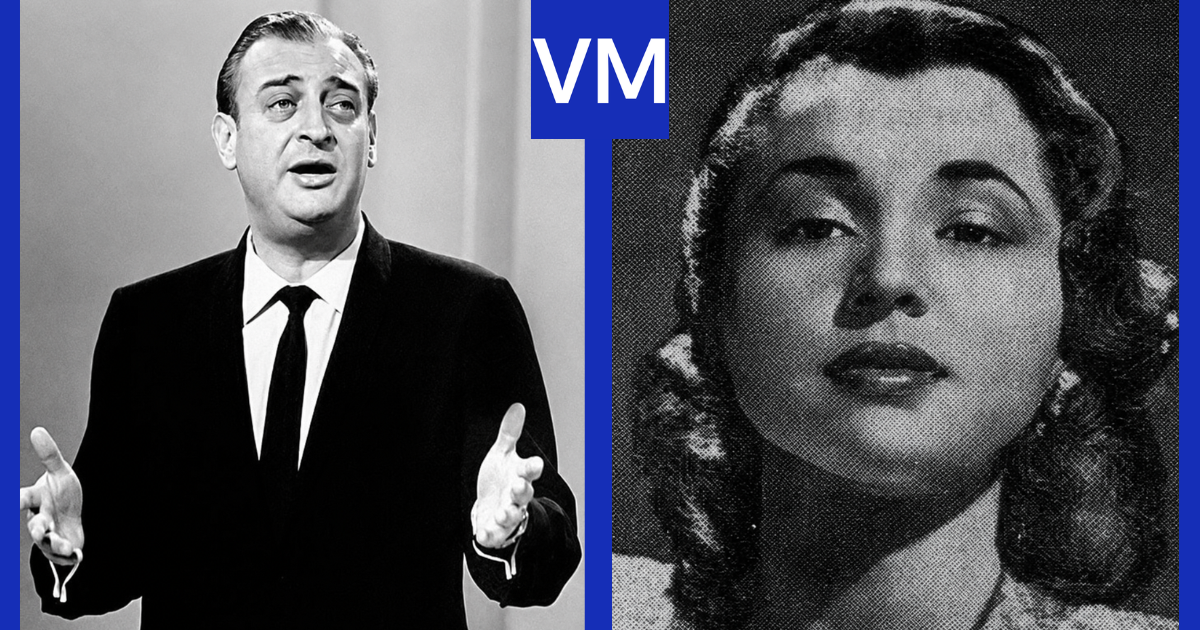
Joyce Indig is a name many people search for because of her connection to legendary American comedian Rodney Dangerfield. While most know her simply as Rodney Dangerfield’s wife, Joyce Indig was a talented singer who made her professional debut on The Art Ford Show in 1949, performing torch songs and romantic ballads. The relationship between Rodney Dangerfield and Joyce Indig proved remarkably complex, marked by two separate marriages and divorces spanning from the early 1950s to 1970. This article explores her early life, singing career, the tumultuous marriage that shaped both their lives, and her legacy beyond the spotlight.
Who Was Joyce Indig Before Rodney Dangerfield
Joyce Indig’s Early Life and Family Background
Born to Rhea Indig and Max Indig, Joyce entered the world as the eldest of two daughters in a household that valued cultural and artistic expression. Her upbringing remains largely private, with few documented details about her childhood years. By all appearances, the Indig family did not pursue extensive public recognition, a characteristic that would later influence Joyce’s own relationship with fame.
The family environment shaped her artistic inclinations from an early age. Growing up in mid-20th century America, Joyce experienced a period when radio performances and live entertainment dominated cultural life. This exposure to music and performance art sparked her natural inclination toward singing. Her parents fostered an appreciation for the arts that laid the groundwork for her eventual entry into the entertainment world.
Her Singing Career and Television Debut
Joyce Indig launched her professional journey in the late 1940s when television was rapidly transforming American entertainment. On May 28, 1949, she made her debut on The Art Ford Show on WPIX-TV Channel 11 in New York. This appearance marked a significant milestone, introducing her talents to a broader audience at a time when television exposure remained a rare opportunity for emerging performers.
Her singing style focused on torch songs and romantic ballads that emphasized emotional storytelling and deep connection with listeners. The emotive quality of her performances quickly gained attention within New York entertainment circles. During this period, some reports suggested a possible romantic connection with Franchot Tone, a former leading man in movies who had transitioned to producing and directing. This rumor, however, was never confirmed and remains speculative without verifiable evidence.
Professional Achievements in the Entertainment Industry
Joyce Indig built a respectable catalog of recordings that showcased her vocal range and interpretive abilities. She released “The Best Thing For You” through Mercury Records, followed by “Lilac Wine” and “You Don’t Know What Love Is” on London Records. Additional recordings included “The Black Rose” and “Wish Me Luck,” songs that captured the essence of mid-century pop and jazz sensibilities.
Her collaborations extended beyond studio work. Joyce performed with well-known orchestras, including the Harry Geller Orchestra, which enhanced her credibility within professional music circles. Equally important was her performance of “Wish Me Luck” on Skitch Henderson’s radio show, which earned widespread praise and marked a peak in her success. This moment reinforced her reputation as a talented vocalist capable of delivering emotionally resonant performances.
Despite consistent work and respected status among peers, Joyce Indig never achieved mainstream celebrity status. Her television debut on The Art Ford Show appears to have been one of the few documented public performances of her singing career. Whether she actively pursued further opportunities or chose a different path remains unclear from available records.
How Joyce Indig Met Rodney Dangerfield
The Early Years of Their Relationship
The entertainment world of late 1940s New York brought Rodney Dangerfield and Joyce Indig together in 1949 at a nightclub where both pursued their artistic ambitions. Joyce performed as a singer while Rodney worked at the same venue, still performing under his earlier stage identity. Their shared connection to show business created an immediate bond between two people navigating the uncertain landscape of professional entertainment.
The unpredictable nature of performer income and difficult career paths defined their early interactions. Both understood the challenges that came with choosing artistic expression over stable employment. When Rodney realized he couldn’t support Joyce on the money he earned from struggling at stand-up comedy, practical concerns began to overshadow romantic aspirations.
Public sources present conflicting information about their first marriage date. Some reports cite 1949, while others reference 1951. The most reliable documentation indicates they married on October 3, 1951. What remains consistent across all accounts is that their union began before Rodney achieved fame and before his “No Respect” persona transformed him into a comedy legend.
Rodney Dangerfield’s Struggles Before Fame
Performing as Jack Roy did not provide the financial stability needed for married life. Rodney faced years of frustration in show business, unable to gain traction despite persistent efforts. To support himself and Joyce, he took on multiple jobs that had nothing to do with entertainment. He delivered groceries, sold newspapers, and worked as an ice cream vendor at the beach.
His attempt to remain connected to performance led him to work as a singing waiter, but he was eventually fired from that position. The rejection pushed him further from his dreams. He struggled financially for nine years, during which time maintaining a growing family became increasingly difficult. As a result, Rodney stepped away from comedy entirely and pursued regular employment as an aluminum siding salesman in the mid-1950s.
The couple settled in New Jersey and focused on raising their family. During this period, Rodney worked in sales and took on the responsibilities of supporting a household. His decision reflected a desire for consistency rather than celebrity status. For many years, it appeared his dream of becoming a successful entertainer had ended. He later quipped he was so little known that when he gave up show business, “I was the only one who knew I quit”.
Why They Connected During Difficult Times
Joyce witnessed these struggles firsthand and shared in the realities of everyday family life far removed from Hollywood glamor. Their connection during difficult times stemmed from mutual understanding of artistic ambition clashing with practical necessity. Both had tasted the entertainment world and knew its promises often remained unfulfilled.
The couple had two children: son Brian Roy, born in 1960, and daughter Melanie Roy-Friedman, born after her parents remarried. Raising a family required dependable income, something stand-up comedy did not consistently provide. The pressures of family life led Rodney to seek a more secure career path, putting his entertainment ambitions aside for years.
Joyce’s presence throughout this transition meant sharing both challenges and hopes associated with creating a stable household. Their bond formed not during success but during the grinding reality of unfulfilled dreams and financial pressure. This foundation would prove both their strongest connection and, ultimately, a source of tension that would test their marriage twice over the coming decades.
The First Marriage: 1951-1961
Wedding and Early Married Life
October 3, 1951 marked the official union between Rodney Dangerfield and Joyce Indig. At age 27, Rodney exchanged vows with the singer he’d met at a New York club. The newlyweds made a deliberate choice to leave the chaos of Manhattan behind and establish roots in Englewood, New Jersey. This suburban setting represented their attempt at building a conventional family life separate from the unpredictability of show business.
The couple welcomed two children into their household: son Brian and daughter Melanie. Englewood provided the backdrop for what appeared from the outside as a traditional American family pursuing stability. In reality, the financial pressures that had worried them before marriage intensified with the addition of children and household expenses.
Financial Struggles and Career Sacrifices
Rodney made a living selling paint and aluminum siding for nearly a decade during their first marriage. This work kept him on the road frequently, away from Joyce and their growing children. The monotony of sales calls and the physical demands of the job stood in stark contrast to the creative energy he’d once channeled into comedy performances.
Joyce watched her husband transform from an aspiring entertainer into a door-to-door salesman. The dreams they’d once shared about careers in entertainment faded against the demands of mortgage payments and raising children. While Rodney worked selling siding, Joyce focused on managing their household in Englewood. The division of responsibilities followed conventional patterns, but the underlying tension between abandoned ambitions and present realities created friction.
Rodney’s Decision to Leave Show Business
Rodney’s choice to abandon comedy stemmed from harsh economic necessity rather than loss of passion. He struggled financially for nine years, attempting to balance performance aspirations with family obligations. The breaking point came when he recognized that stand-up income couldn’t sustain a wife and children.
His departure from entertainment happened so quietly that he later joked about being “the only one who knew I quit”. This self-deprecating humor masked genuine pain about surrendering his artistic identity. During the mid-1950s, aluminum siding sales became his primary occupation. The work provided steady paychecks but drained the creative spirit that had initially attracted Joyce to him.
The Breakdown of Their First Marriage
The idyllic suburban life in Englewood soured as Rodney Dangerfield and Joyce Indig battled through mounting tensions. Financial stress, unfulfilled dreams, and the daily grind of conventional existence eroded their connection. What began as mutual understanding during difficult times transformed into resentment and disappointment.
The couple divorced in 1962 after eleven years of marriage. The separation reflected more than personal incompatibility. It represented the collision between artistic ambition and practical survival, between the promises of their youth and the compromises demanded by middle-class family life. Both had sacrificed elements of their entertainment careers, but those sacrifices hadn’t produced the stability or happiness they’d anticipated.
The Second Chance: Remarriage and Final Divorce
Why They Decided to Remarry in 1963
Following their 1962 divorce, both Rodney Dangerfield and Joyce Indig found themselves reconsidering their separation. The couple remarried in 1963, just one year after their split. The decision came at a pivotal moment in Rodney’s life when he faced crushing financial reality and soul-searching about his future direction.
The circumstances surrounding their reunion were far from ideal. At age 40, Rodney found himself $20,000 in debt and living in a seedy New York hotel during the divorce proceedings. This low point forced him to confront whether he’d truly finished with comedy or simply paused his dream. Their daughter Melanie Roy-Friedman was born after the remarriage, expanding their family beyond son Brian who had arrived in 1960.
Life Together During Rodney’s Comedy Comeback
The decision to return to stand-up comedy emerged from what Rodney described as a compulsion he couldn’t ignore. He recalled that show business was “like a fix” he needed to escape reality. In this case, his renewed pursuit of comedy coincided with their second attempt at marriage, creating a different dynamic than their first union.
Embarrassed about potentially failing again, Rodney asked a club owner friend not to advertise his real name. The club owner pulled “Rodney Dangerfield” from thin air, and this new persona finally gained traction. The self-deprecating everyman character resonated with audiences in ways his earlier performances never had.
By 1969, Rodney wanted to get off the road and be home for his children, so he opened his own Manhattan nightclub, Dangerfield’s. The venue served dual purposes: providing a professional base and keeping him closer to family. However, Joyce’s health had deteriorated to the point where she became too sick to care for their children, making his presence at home increasingly necessary.
The Final Separation in 1970
Despite Rodney’s efforts to balance career and family, domestic problems persisted. The couple divorced again in 1970, ending their on-and-off relationship permanently. The constant travel demands of comedy, combined with Joyce’s declining health, proved insurmountable obstacles to their second marriage.
Impact of Two Divorces on Both Lives
The twice-repeated pattern of marriage and divorce added layers of emotional complexity to both lives. Rodney lived largely separated from his family even during their marriages, a distance that became permanent after 1970. The dual failures shaped how both approached relationships and family responsibilities going forward.
Joyce Indig’s Life After the Marriages
Raising Brian Roy and Melanie Roy-Friedman
Following the final divorce in 1970, Joyce Indig’s primary focus shifted to raising her two children. Son Brian Roy, born in 1960, and daughter Melanie Roy-Friedman became central to her daily existence. The children remained connected to both parents despite the challenges their relationship presented. Brian later pursued a career in entertainment, including writing and performing, while Melanie maintained a lower public profile, working as an interior designer in New York and Los Angeles.
Joyce’s role as a mother influenced her priorities and decisions during this period. The responsibilities of single parenthood shaped her choices about career and public visibility. Her family tree expanded through her children, creating connections that extended beyond her marriages to Rodney Dangerfield.
Her Private Life Away From the Spotlight
Joyce Indig largely retreated from public view after her second divorce from Rodney Dangerfield. Very little information exists regarding her activities following the dissolution of their marriage. Any further public appearances or personal projects remain undocumented. There is no significant record of Joyce being involved in any further public career, and her life appears to have been mostly private.
Her children led relatively private lives as well. Despite her earlier success as a singer with television appearances and recordings, Joyce chose or circumstances led her to step away from the entertainment industry entirely.
Health Challenges and Personal Struggles
In her later years, Joyce suffered from debilitating arthritis that severely limited her mobility. This condition fundamentally altered her lifestyle and capabilities. The arthritis led to her withdrawal from performing and public life. Despite her earlier success in mid-century music, her later years were marked by health struggles and reduced visibility.
The physical limitations imposed by arthritis prevented her from pursuing any return to singing or public performance. Her story reflects realities faced by many performers whose careers fade due to personal circumstances.
Her Lasting Connection to the Dangerfield Legacy
Joyce Indig’s legacy lies chiefly in her contributions to mid-century music and her role in Rodney Dangerfield’s life. Her name continues to surface in discussions surrounding Dangerfield, though it is often tied only to their marriages and family connections. She represents a generation of performers whose careers shaped the entertainment industry before modern media transformed celebrity culture. Her success as a singer and her influence on a major comedic figure ensure that her story continues to be remembered.
Also Read: Felix O. Adlon
Conclusion
Joyce Indig’s story represents more than her connection to Rodney Dangerfield. She carved out her own space in mid-century entertainment as a respected vocalist who performed on television and recorded several notable songs. Her two marriages to Dangerfield reflected the tension between artistic dreams and practical survival that many performers faced during that era.
While arthritis and personal circumstances eventually pulled her from the spotlight, her contributions to music and her role in shaping a comedy legend’s early life remain significant. For the most part, Joyce chose privacy over publicity, but her legacy as both an independent artist and devoted mother endures beyond the famous name she once shared.
FAQs
Q1. What was Joyce Indig’s career before she married Rodney Dangerfield?
Joyce Indig was a talented singer who made her professional debut on The Art Ford Show in 1949, performing torch songs and romantic ballads. She released several recordings including “The Best Thing For You” on Mercury Records and “Lilac Wine” on London Records, and performed with well-known orchestras like the Harry Geller Orchestra.
Q2. When did Joyce Indig and Rodney Dangerfield get married?
Joyce Indig and Rodney Dangerfield first married on October 3, 1951. After divorcing in 1962, they remarried in 1963, giving their relationship a second chance. However, they divorced again permanently in 1970, ending their on-and-off relationship that spanned nearly two decades.
Q3. How many children did Joyce Indig have with Rodney Dangerfield?
Joyce Indig had two children with Rodney Dangerfield: a son named Brian Roy, born in 1960, and a daughter named Melanie Roy-Friedman, who was born after their remarriage in 1963. Both children maintained relatively private lives away from the spotlight.
Q4. What happened to Joyce Indig after her divorce from Rodney Dangerfield?
After her final divorce in 1970, Joyce Indig focused primarily on raising her two children and largely retreated from public view. In her later years, she suffered from debilitating arthritis that severely limited her mobility and led to her withdrawal from performing and public life.
Q5. Why did Joyce Indig and Rodney Dangerfield divorce twice?
Their marriages were strained by financial struggles, Rodney’s career uncertainties, and the demands of his comedy career that kept him on the road. During their second marriage, Joyce’s declining health made it difficult for her to care for their children, and despite Rodney opening his own nightclub to stay closer to home, domestic problems persisted, leading to their final separation in 1970.

