
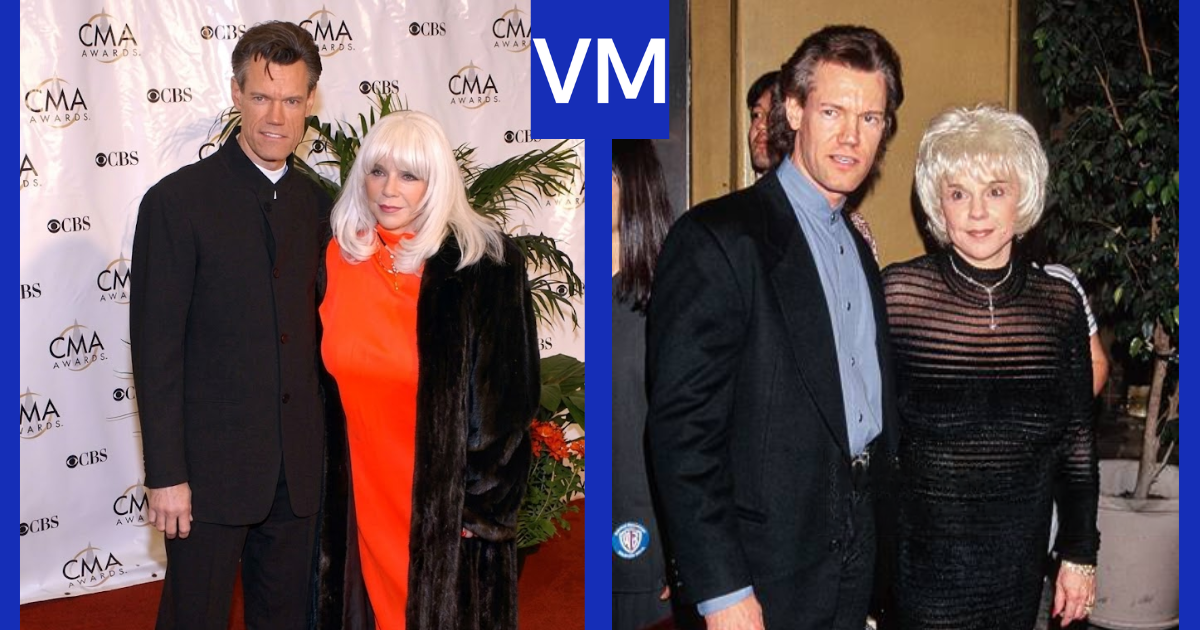
Elizabeth Hatcher-Travis is a woman who changed country music history through hard work and strategic decisions. Without her guidance, Randy Travis may never have become one of the biggest names in country music. Under her management, he released massive hits like “Forever and Ever, Amen” and “Three Wooden Crosses.” Her influence extended beyond music management, in particular when she produced the faith-based film “God’s Not Dead” in 2014, which earned over $60 million at the box office.
Today, questions about elizabeth hatcher travis and her current life continue to surface, with many wondering about is elizabeth hatcher travis still alive and her ongoing legacy. Elizabeth hatcher travis net worth is estimated between three million and fifty-two million dollars, reflecting her diverse career achievements. This article explores her journey from nurse to entertainment powerhouse, her marriage and divorce from Randy Travis, and her lasting impact on country music and film.
From Nurse to Music Manager: Elizabeth Hatcher Travis’s Early Journey
Growing up in Marshville, North Carolina
Born on October 21, 1957, Elizabeth Hatcher-Travis entered the world in Marshville, North Carolina, a small town where community values and hard work shaped daily existence. The modest environment instilled responsibility, discipline, and perseverance in her character. Her upbringing in this tight-knit Southern community laid the groundwork for the strong work ethic and calm leadership style she would later display in the high-pressure entertainment industry.
Details about her parents and siblings remain private, but her childhood clearly prepared her for the challenges ahead. Small-town life taught her to stay focused and resilient, qualities that became essential when she stepped into Nashville’s competitive music scene.
Working as a nurse and building foundational skills
After completing high school, elizabeth hatcher travis chose nursing as her career path. She earned her nursing qualifications and worked professionally in healthcare, a field demanding patience, compassion, and mental strength. The medical profession taught her to remain calm during stressful situations and support people through difficult moments.
Nursing developed her organizational skills and attention to detail. She learned how to assess situations quickly, make decisions under pressure, and manage multiple responsibilities simultaneously. These abilities proved valuable when she transitioned into entertainment management, where crisis management and careful planning determined success or failure.
Opening Country City USA nightclub with Frank Hatcher
Elizabeth’s professional trajectory shifted after her marriage to Frank Hatcher. Together, they opened Country City USA, a nightclub in Charlotte, North Carolina. The venue became a popular destination for emerging musicians seeking performance opportunities and exposure.
Running the nightclub gave Elizabeth hands-on experience in managing performers, organizing events, and understanding audience preferences. She discovered a natural talent for identifying potential in young artists and guiding them toward improvement. This period marked her entry into professional music management and revealed her sharp business instincts.
The moment she discovered Randy Travis
In 1977, a seventeen-year-old Randy Traywick entered a talent contest at Country City USA. He competed initially with his brother Ricky, but Ricky had to serve time at a youth detention center partway through the competition, leaving Randy to continue solo. Randy won the contest, earning $100 cash and a recording session.
When Randy performed, Elizabeth recognized something exceptional in his deep, traditional country voice. She later recalled dropping the papers she held, thinking, “This is something special”. Randy faced serious legal trouble for hot-wiring a neighbor’s truck. Elizabeth and disk jockey John Harper represented him in court, convincing the judge to release Randy into her custody instead of sending him to jail. She employed him as a singer at Country City USA while also having him work cooking, cleaning, and doing maintenance around the property.
Building Randy Travis’s Career from the Ground Up
Moving to Nashville and facing early rejections
Following years in Charlotte, elizabeth hatcher travis and Randy took the plunge in August 1981, relocating to Nashville. Elizabeth secured a management position at the Nashville Palace nightclub near the Grand Ole Opry. She hired Randy to wash dishes and cook, though he soon performed on stage as Randy Ray. The couple supported themselves by renting office space in their Nashville home to songwriter Keith Stegall, who became instrumental in introducing Randy to industry contacts.
Despite exposure from appearances on Ralph Emery’s Nashville Now, Randy faced constant rejection throughout 1984. Elizabeth pitched him to nearly every major label in Nashville. Record executives repeatedly dismissed his traditional sound as unmarketable, claiming “You’re too country. That sound will never sell”. Some labels turned them down twice, others three times.
Martha Sharp from Warner Bros. Records attended a seminar in late 1984 where executives discussed signing artists with traditional sounds. Through connections with Charlie Monk and Keith Stegall, she discovered Randy Ray and signed him in early 1985. Warner executives disliked the name “Randy Ray,” prompting Sharp to suggest “Randy Travis”.
Managing a team of 52 employees
Elizabeth built a professional operation around Randy that included more than fifty employees. She managed everything from contracts and tours to wardrobe decisions and long-term career planning. Her organizational structure ensured every aspect of Randy’s career received proper attention and resources.
Creating hit records: Forever and Ever, Amen and more
Warner released “On the Other Hand” in July 1985, but it stalled at number 67. The follow-up “1982” reached number six in early 1986, becoming Randy’s first hit. Warner re-released “On the Other Hand,” which climbed to number one in July 1986.
Storms of Life released on June 2, 1986, selling over 100,000 copies in its first week and eventually achieving triple platinum status with three million copies sold. The album produced additional number ones including “Diggin’ Up Bones”. Always and Forever followed in 1987, staying at number one for 43 weeks and selling five million copies. “Forever and Ever, Amen” became the 1987 CMA Single of the Year.
The business strategies that made Randy a superstar
Elizabeth refused to accept rejection as final. She knocked on every door, pushed aggressively for opportunities, and bankrolled early recording sessions herself. She drove Randy up and down the East Coast visiting radio stations to promote his independent singles. Her relentless work ethic and strategic planning transformed Randy into one of the biggest country stars of the 1980s, winning multiple CMA and Grammy awards.
The Personal Story: Marriage, Divorce, and Legal Battles
Keeping their romance private for 12 years
Randy and Elizabeth’s relationship extended beyond professional boundaries, but they concealed their romance for nearly twelve years. Elizabeth made a calculated decision to protect Randy’s marketability. “He was young, and you want to attract that young audience. I wanted him to appear available,” she explained. Randy later acknowledged the arrangement served them well, stating it “seemed easier than to explain everything to every interviewer you talked to”.
Getting married in Hawaii in 1991
The couple married on May 31, 1991, in Maui, Hawaii, during a private ceremony at the courtyard in front of a waterfall. Nine days later, Randy wore a gold wedding ring at a Nashville concert.
Filing for divorce in 2010
Randy filed for divorce on October 28, 2010, in Albuquerque, New Mexico. The petition cited “a state of incompatibility exists between the parties” and requested equal asset division. The divorce finalized the following day.
The lawsuits and public conflicts that followed
Elizabeth filed a breach of contract lawsuit in April 2012, alleging Randy “intentionally interfered with” her management abilities. She claimed Randy arrived at her Music Row office with “a large truck, an armed guard and several other men” who removed computers, business records, and framed plaques. Randy countersued, accusing Elizabeth of leaking personal details and sabotaging his career.
Supporting Randy during his 2013 health crisis
Despite their legal battles, Elizabeth demonstrated compassion when Randy suffered viral cardiomyopathy and a stroke in 2013. She provided support during his life-threatening medical emergency.
Elizabeth Hatcher Travis Today: Net Worth, Legacy, and Continued Influence
Current life at Three Wooden Crosses Ranch
After the divorce, elizabeth hatcher travis relocated to the Three Wooden Crosses Ranch in Tioga, Texas, choosing a quieter existence away from media attention. She remained active in entertainment as a consultant and manager, guiding emerging talents including Lance Dary and Steve Hinson. Her professional experience continued shaping careers despite stepping back from the spotlight. She later planned to move to a smaller home in Santa Fe.
Film production success with God’s Not Dead
Elizabeth transitioned into film production, discovering new creative outlets for her business talents. She produced several projects featuring Randy, including The Visitation and The Wager. Her breakthrough came in 2014 with God’s Not Dead, a faith-based drama that earned more than $60 million at the box office. The sequel, God’s Not Dead 2, released in 2016, achieved commercial success as well. From 2014 to 2020, she accumulated credits on over twenty faith-based projects.
Elizabeth Hatcher Travis net worth and financial achievements
Elizabeth hatcher travis net worth estimates vary significantly, ranging from $3 million to $52 million, with another estimate at $30 million. Her wealth stems from multiple income streams: nursing, artist management, songwriting royalties, film production profits, and business ventures .
Her lasting impact on country music history
Elizabeth helped bring traditional country sounds back to prominence during the 1980s. Her management style opened doors for artists following Randy’s traditional approach. She proved women could succeed in male-dominated music management, creating a legacy that extends beyond her association with Randy Travis.
Also Read: Gloria Mills Chapman
Conclusion
Elizabeth Hatcher-Travis transformed herself from a small-town nurse into a powerhouse who reshaped country music history. Her relentless determination brought traditional country sounds back to mainstream success and proved women could dominate entertainment management. Though her marriage to Randy Travis ended, her legacy endures through film production achievements and the countless artists she inspired. Indeed, her story demonstrates how vision, hard work, and strategic thinking create lasting cultural impact.

